
5+ Best Google Ads Alternatives 2026 for Better Reach
Looking for the Best Google Ads Alternatives to grow your business without overspending? 🚀
While Google Ads remains a powerful advertising platform, it’s not always the perfect fit for every brand.
High competition, rising costs, and limited audience diversity often push marketers to explore smarter options.
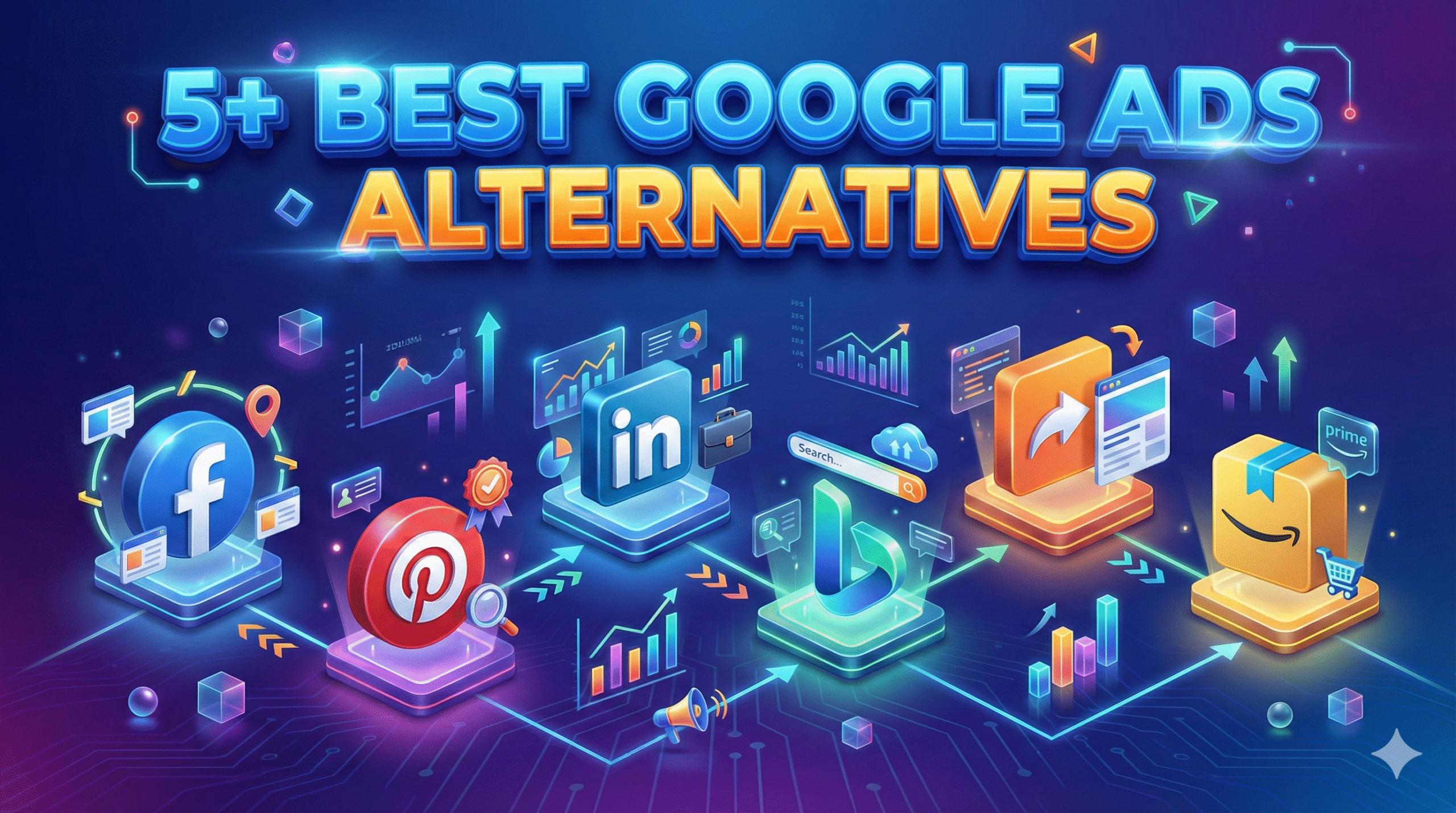
That’s where the Best Google Ads Alternatives come in offering advanced targeting, cost-effective campaigns, and access to highly engaged audiences across social, native, search, and eCommerce platforms.
💥 Microsoft Advertising Promo – Get $500 Ads Credit!
Start advertising with Microsoft and get $500 ad credits when you spend just $250. Boost your campaigns now with this limited-time offer!
Platforms like Meta Ads, Pinterest Ads, LinkedIn Ads, Microsoft Ads (Bing Ads), Taboola Ads, and Amazon Ads offer unique advantages ranging from advanced audience targeting and native ad placements to B2B lead generation and eCommerce-focused advertising.
In this article, we’ll explore 5+ top Google Ads alternatives that can help you increase visibility, drive qualified traffic, and maximize ROI whether you’re a startup, eCommerce brand, or B2B business. Let’s dive in! 🔍✨
🏆 Meta Ads Wins!
The #1 Google Ads Alternative for Targeted Reach, High Conversions, and Social Engagement 💡
#1. Meta Ads 🥇
Meta Ads are paid advertising campaigns run across Meta’s platforms, including Facebook, Instagram, Messenger, and Audience Network.
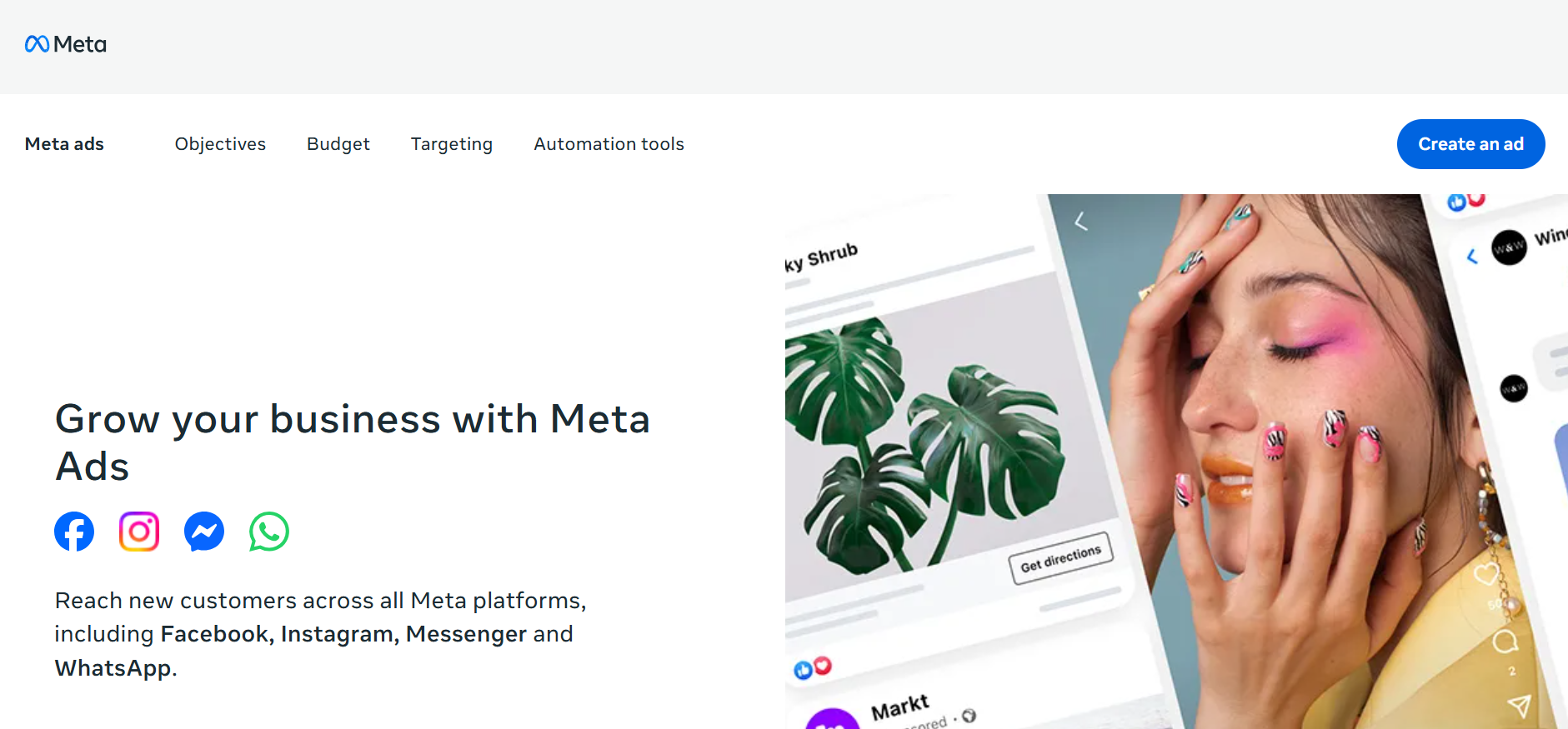
They allow businesses to reach highly targeted audiences using advanced demographic, interest-based, and behavior-driven targeting.
Key Features of Meta Ads ⭐
1. Advanced Audience Targeting
Meta Ads offer highly advanced audience targeting based on demographics, interests, behaviors, and life events. Advertisers can create custom audiences using website visitors, app users, or customer data, and expand reach through lookalike audiences that mirror high-value customers.
2. Multiple Engaging Ad Formats
Meta Ads support a wide range of creative formats, including image ads, video ads, carousel ads, story ads, reels, and collection ads. These formats allow brands to showcase products, tell visual stories, and capture attention across different placements.
3. Cross-Platform Advertising Reach
With Meta Ads, businesses can run campaigns across Facebook, Instagram, Messenger, and the Audience Network from a single Ads Manager dashboard. This cross-platform/i exposure helps brands reach users at multiple touchpoints throughout their digital journey.
4. Flexible Budget and Bidding Control
Meta Ads provide flexible budgeting options, allowing advertisers to set daily or lifetime budgets based on their goals. Businesses can choose automated bidding for performance optimization or manual bidding for greater control over costs.
5. Detailed Analytics and Performance Tracking
Meta Ads come with robust analytics and reporting tools that offer insights into impressions, clicks, conversions, and return on ad spend. Advertisers can use A/B testing to compare creatives, audiences, and placements. 📈
Meta Ads Cost Factors & Performance Metrics 💰
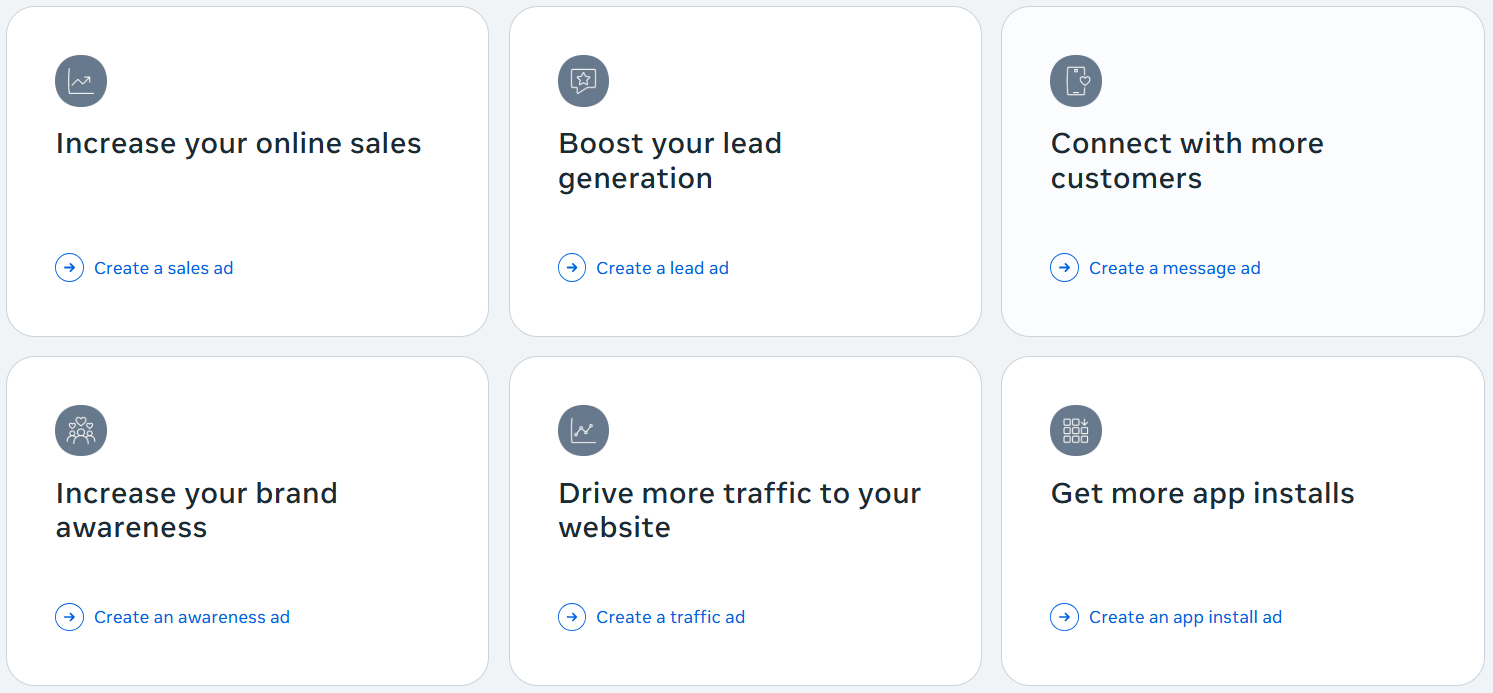
- Auction-Based Pricing: Meta Ads use a bidding system where costs depend on audience competition, ad relevance, and placements like Facebook or Instagram.
- Budget Options: Advertisers can set a daily budget for average daily spend or a lifetime budget for total campaign cost control.
- CPM (Cost per 1,000 Impressions): Commonly used for brand awareness, with costs varying by industry, targeting, and demand.
- CPC (Cost Per Click): You pay only when users click your ad, making it ideal for traffic and conversion-focused campaigns.
- CPL, CPA & CPV: These metrics track costs for leads, specific actions, and video views, helping optimize campaigns based on goals. 📈
Pros & Cons of Meta Ads 🎯
| Pros ✅ | Cons ❌ |
|---|---|
| Highly advanced audience targeting using interests, behaviors, and demographics | Increasing competition can raise ad costs in popular industries |
| Massive global user base across Facebook, Instagram, and Messenger | Frequent algorithm and policy changes may impact performance |
| Multiple engaging ad formats including video, reels, stories, and carousel ads | Requires continuous testing and optimization for best results |
| Flexible budgeting suitable for small businesses and enterprises | — |
| Powerful retargeting and lookalike audience capabilities | — |
| Detailed analytics and conversion tracking tools | — |
| Effective for brand awareness, lead generation, and eCommerce sales | — |
#2. Microsoft Ads (Bing Ads)
Microsoft Ads, formerly known as Bing Ads, are paid advertising campaigns that appear on Microsoft’s search network, including Bing, Yahoo, and AOL, as well as partner sites.
Similar to Google Ads, Microsoft Ads use a pay-per-click (PPC) model to drive traffic to websites, landing pages, or online stores.
Key Features of Microsoft Ads ⭐
1. Wide Search Network Reach
Microsoft Ads allow advertisers to reach users across Bing, Yahoo, AOL, and partner sites, helping businesses connect with audiences that may not use Google.
2. AI-Powered Campaign Optimization
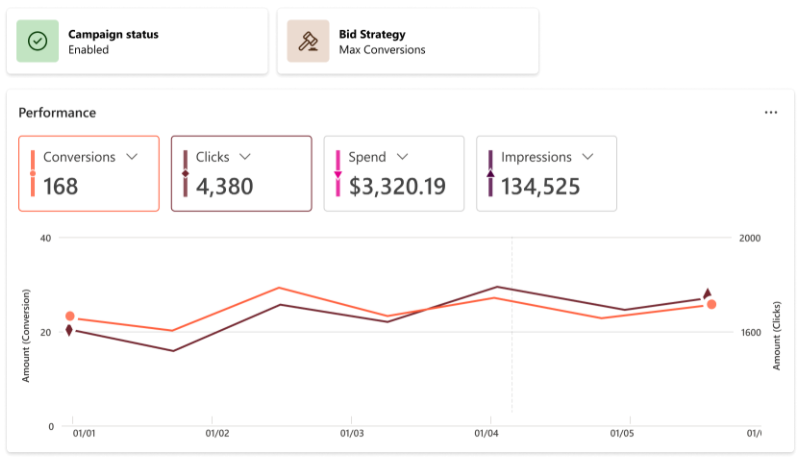
With built-in AI tools, Microsoft Ads can analyze performance, optimize targeting, and improve ROAS, helping advertisers achieve better results with less manual effort.
3. Flexible Budgeting & No Minimum Fees
Advertisers can set daily budgets, control spend, and only pay for clicks, making it accessible for businesses of all sizes without a required minimum deposit.
4. Import & Automation Tools
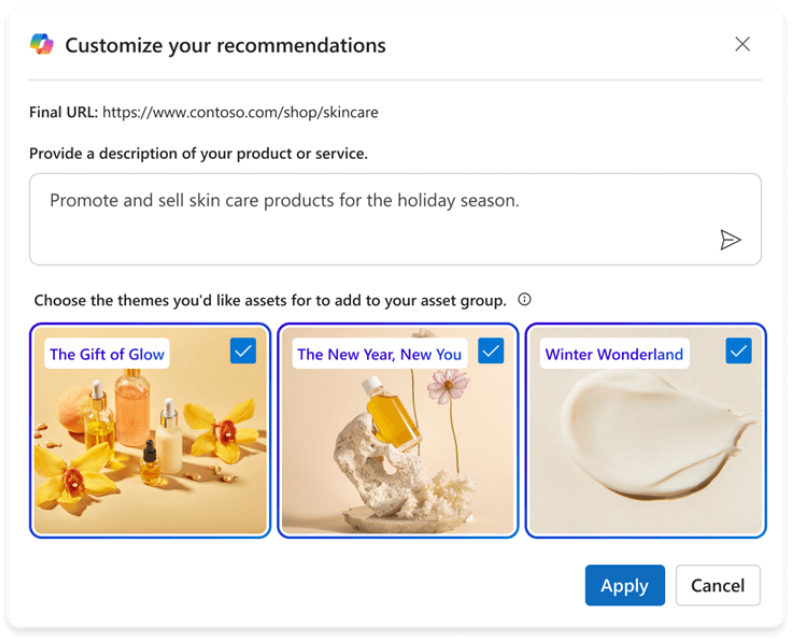
Campaigns can be imported from Google Ads or Meta Ads, and automation features streamline campaign setup, saving time while improving efficiency and targeting.
5. Conversion-Focused & Goal-Oriented
Microsoft Ads support multiple objectives, such as leads, bookings, calls, and acquisitions, allowing advertisers to optimize campaigns for specific business goals and measurable outcomes.
Microsoft Ads Cost Factors & Performance Metrics 💰
- Pay-Per-Click (PPC) Model: You only pay when someone clicks your ad, giving full control over your ad spend.
- Daily Budget & Bid Control: Set your own daily or lifetime budget and maximum bid per keyword to manage costs effectively.
- Average CPC: Costs typically range from $1.50 to $2.80 per click, often lower than Google Ads, though they vary by industry and keyword competitiveness.

- Keyword Bidding & Auction: Ads compete in an auction system where placement depends on bid amount, ad relevance, and quality.
- Campaign Goals Impact Costs: Highly competitive keywords in popular industries cost more, while less competitive niches are more affordable.
- Flexible Budgeting Options: Microsoft Ads allows budgets as low as $5/day, making it accessible for small businesses and startups.
Pros & Cons of Microsoft Ads 🎯
| Pros ✅ | Cons Ads ❌ |
|---|---|
| Access to Bing, Yahoo, AOL, and partner networks, reaching audiences not on Google | Smaller overall audience compared to Google Ads |
| Generally lower CPCs than Google Ads, making it cost-effective | Keyword competition can still drive costs up in high-demand industries |
| Flexible budgeting options, including daily, lifetime, or shared budgets | Requires careful bid management for optimal results |
| PPC model ensures you pay only for actual clicks, maximizing cost efficiency | — |
| AI-powered tools for campaign optimization and improved ROAS | — |
| Automation and import tools allow easy migration from Google or Meta Ads | — |
| Supports multiple campaign goals including leads, bookings, and conversions | — |
#3. Pinterest Ads 📌
Pinterest Ads are paid advertising campaigns run on Pinterest, a visual discovery and inspiration platform where users search for ideas, products, and trends. These ads appear seamlessly within users’ feeds, search results, and related pins, blending naturally with organic content.
Businesses use Pinterest Ads to promote products, drive website traffic, increase brand awareness, and boost conversions.
Key Features of Pinterest Ads ⭐
1. Intent-Driven Audience Targeting
Pinterest Ads allow businesses to reach users who are actively searching for ideas, products, and inspiration. By targeting based on keywords, interests, and demographics, advertisers can connect with audiences ready to take action.
2. Multiple Ad Formats
Pinterest supports various ad types, including Promoted Pins, Video Pins, Carousel Ads, and Shopping Ads. This flexibility helps brands showcase products visually and engage users in creative ways.
3. High Engagement with Visual Content
Pinterest is a highly visual platform where users interact with images and videos to discover new ideas. Ads blend seamlessly with organic content, increasing engagement and brand recall.
4. Conversion-Focused Tools
Pinterest Ads include features like shopping tags, product catalogs, and conversion tracking, allowing businesses to drive traffic, sales, and sign-ups efficiently.
5. Flexible Campaign Objectives & Analytics
Advertisers can choose goals like brand awareness, traffic, conversions, or app installs. Pinterest provides detailed analytics to monitor performance, optimize campaigns, and maximize ROI.
Pinterest Cost Factors & Performance Metrics 💰
- Flexible Pricing: Pinterest Ads costs vary by industry, audience, and campaign goal, generally ranging from $0.10–$1.50 per click (CPC) and $2–$5 per 1,000 impressions (CPM).
- Cost Per Action (CPA): Conversion-focused campaigns, like purchases or sign-ups, usually cost more. For example, competitive industries such as Home Decor may have CPAs starting around $10+.
- Campaign Objective Matters: Ads optimized for clicks or impressions are cheaper, while conversion-driven campaigns tend to be pricier due to higher value actions.
- Industry Influence: Highly competitive niches, like Home Decor or Beauty, usually see higher costs compared to less competitive categories like Food or CPG.
- Auction & Bidding System: Pinterest uses an auction-based model. Advertisers can set manual bids or use automated tools like Pinterest Performance+ to optimize costs and placement.
Pros & Cons of Pinterest 🎉
| Pros ✅ | Cons ❌ |
|---|---|
| Reaches intent-driven audiences actively searching for inspiration and products | Less traffic volume compared to platforms like Facebook or Google |
| High engagement with visual content like pins, videos, and carousels | Requires high-quality visuals to perform well |
| Multiple ad formats including Promoted Pins, Video Pins, Carousel, and Shopping Ads | May take time to optimize campaigns for conversions |
| Conversion-focused tools like product tags, catalogs, and tracking | — |
| Flexible campaign objectives for traffic, awareness, or conversions | — |
| Analytics and insights to track performance and optimize campaigns | — |
| Effective for industries like fashion, home decor, food, DIY, and lifestyle | — |
#4. LinkedIn Ads 💼
LinkedIn Ads are paid advertising campaigns run on LinkedIn, the world’s largest professional networking platform. They allow businesses to target decision-makers, professionals, and companies based on industry, job title, company size, seniority, and skills.
LinkedIn Ads are ideal for B2B marketing, lead generation, recruitment, and brand awareness campaigns.
Key Features of LinkedIn Ads ⭐
1. Precision B2B Targeting
LinkedIn Ads allow advertisers to reach professionals based on job title, industry, company size, seniority, skills, and more. This makes it ideal for B2B campaigns targeting decision-makers and niche audiences.
2. Multiple Ad Formats
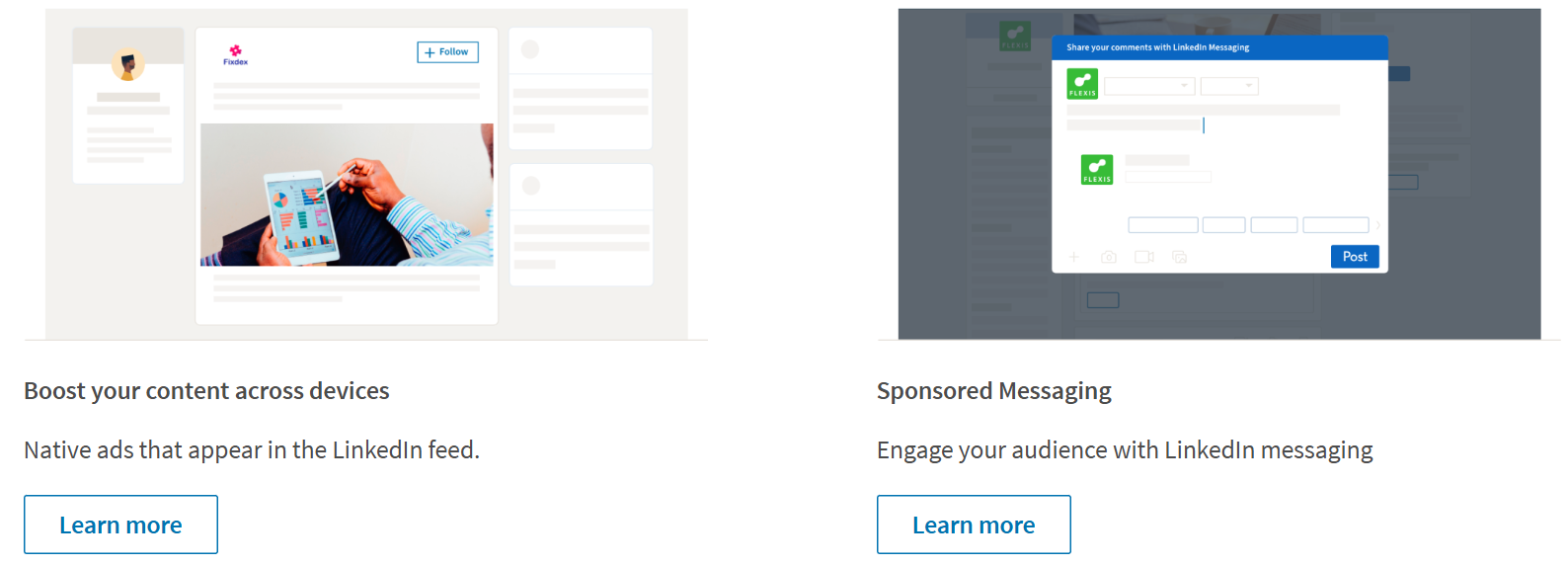
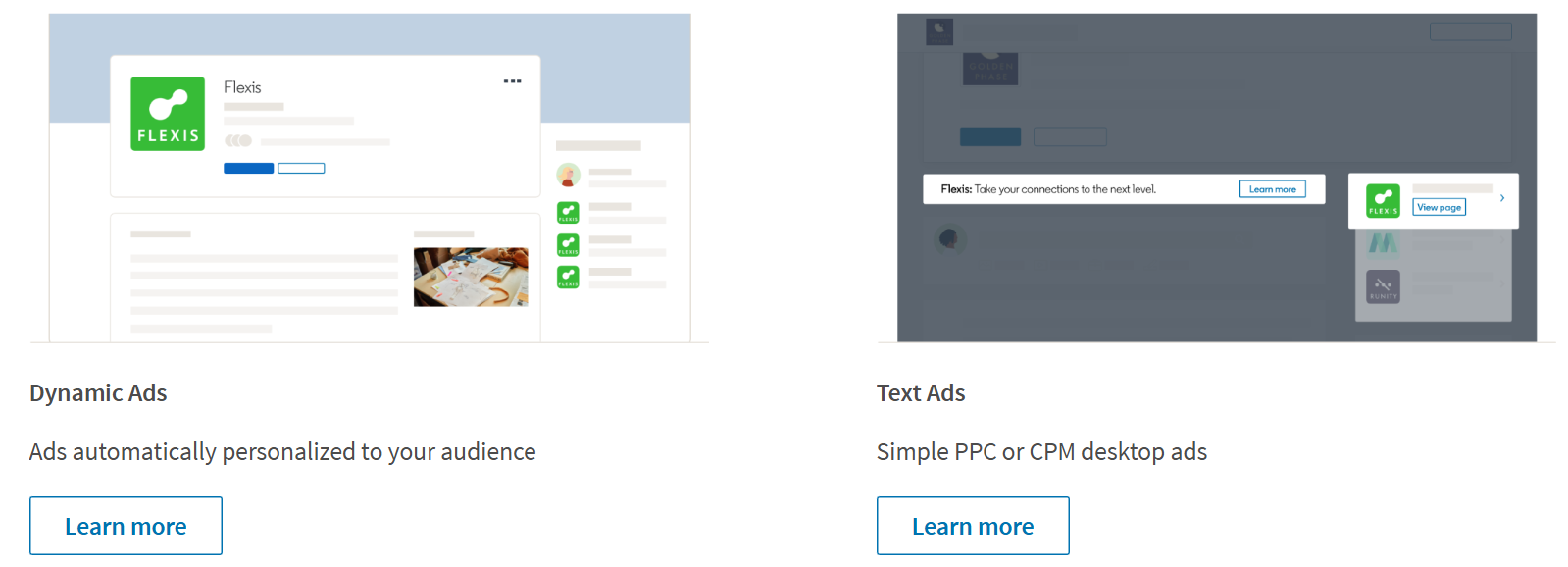
LinkedIn supports Sponsored Content, Message Ads, Text Ads, Dynamic Ads, and Video Ads, providing flexibility to engage users in different ways across the platform.
3. Lead Generation Tools
With LinkedIn Lead Gen Forms, businesses can collect high-quality leads directly on the platform, reducing friction and improving conversion rates for campaigns.
4. Analytics & Reporting
LinkedIn provides detailed performance metrics including impressions, clicks, CTR, conversions, and demographic insights, helping advertisers optimize campaigns effectively.
5. Brand Awareness & Thought Leadership
LinkedIn Ads help businesses build credibility and establish thought leadership by promoting content to a professional audience, increasing visibility among industry decision-makers.
LinkedIn Cost Factors & Performance Metrics 💰
LinkedIn Ads use a bidding system rather than a fixed pricing model, meaning your costs depend on your campaign objectives, audience competition, and bid amount. Here’s a breakdown of the key pricing factors:
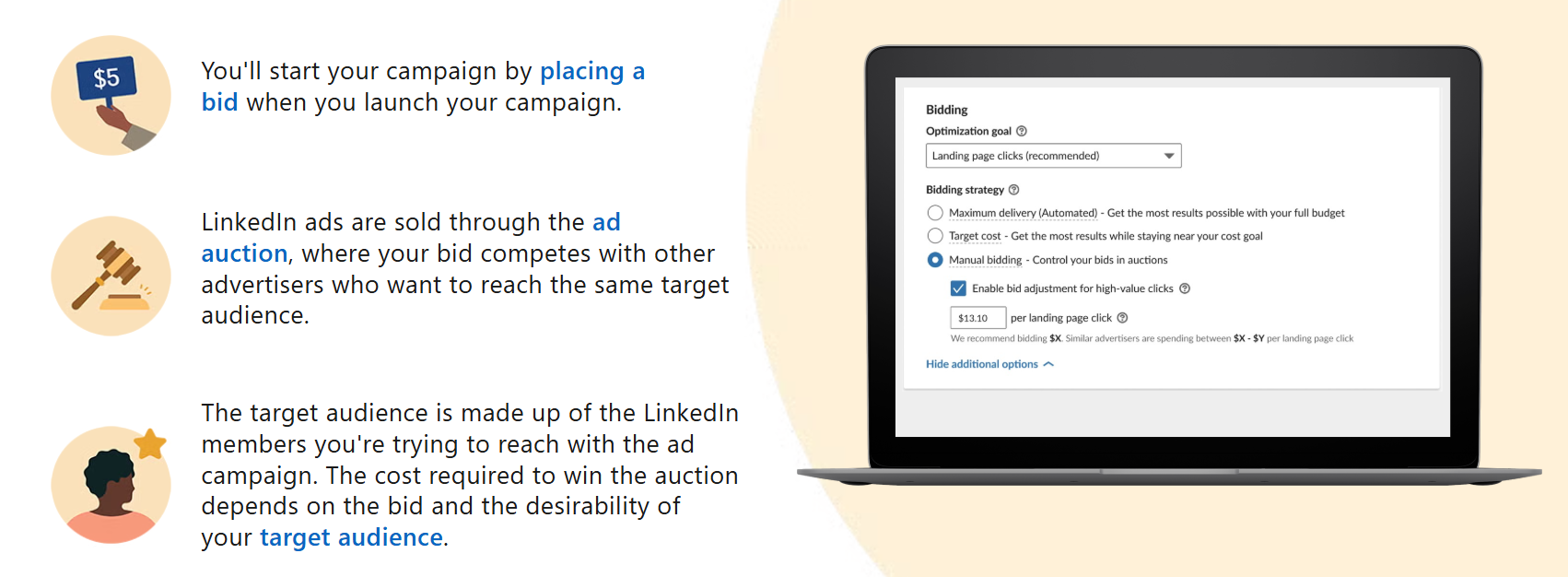
- Minimum Daily Budget: Each campaign requires at least $10 per day (or local currency equivalent) to run. This ensures your ads have sufficient budget to compete in the auction.
- Minimum Lifetime Budget: For campaigns scheduled over multiple days, the total budget must be at least $100, or calculated as $10 × number of scheduled days.
- Minimum Bid: To enter the ad auction, the minimum bid is $2 for CPC (Cost-Per-Click) or CPM (Cost-Per-Impression) campaigns.
- Objective-Based Pricing: LinkedIn charges based on the campaign objective you select. For example, if your goal is website visits, you only pay when someone clicks the link. Different objectives, such as awareness, consideration, or conversions, have distinct billable events.
- Flexible Billing: There’s no traditional upfront deposit. You’re billed as your ad spend reaches certain thresholds (usually starting at $100) or at the end of your billing cycle, making budget management easier for businesses of all sizes.
Pros & Cons of LinkedIn Ads 🎯
| Pros ✅ | Cons ❌ |
|---|---|
| Highly targeted B2B audience based on job title, company, industry, and seniority | Generally higher cost per click (CPC) compared to other social platforms |
| Multiple ad formats including Sponsored Content, Message Ads, Text Ads, and Video Ads | Smaller audience compared to platforms like Facebook or Instagram |
| Built-in Lead Gen Forms for easy collection of high-quality leads | Requires professional content to maintain engagement and credibility |
| Detailed analytics and demographic insights to optimize campaigns | — |
| Effective for brand awareness and thought leadership among professionals | — |
| Flexible objectives for traffic, leads, conversions, and engagement | — |
| Supports retargeting and lookalike audience campaigns | — |
#5. Taboola Ads
Taboola Ads are native advertising campaigns that appear as recommended content or “sponsored stories” on premium publisher sites, news portals, and apps. t
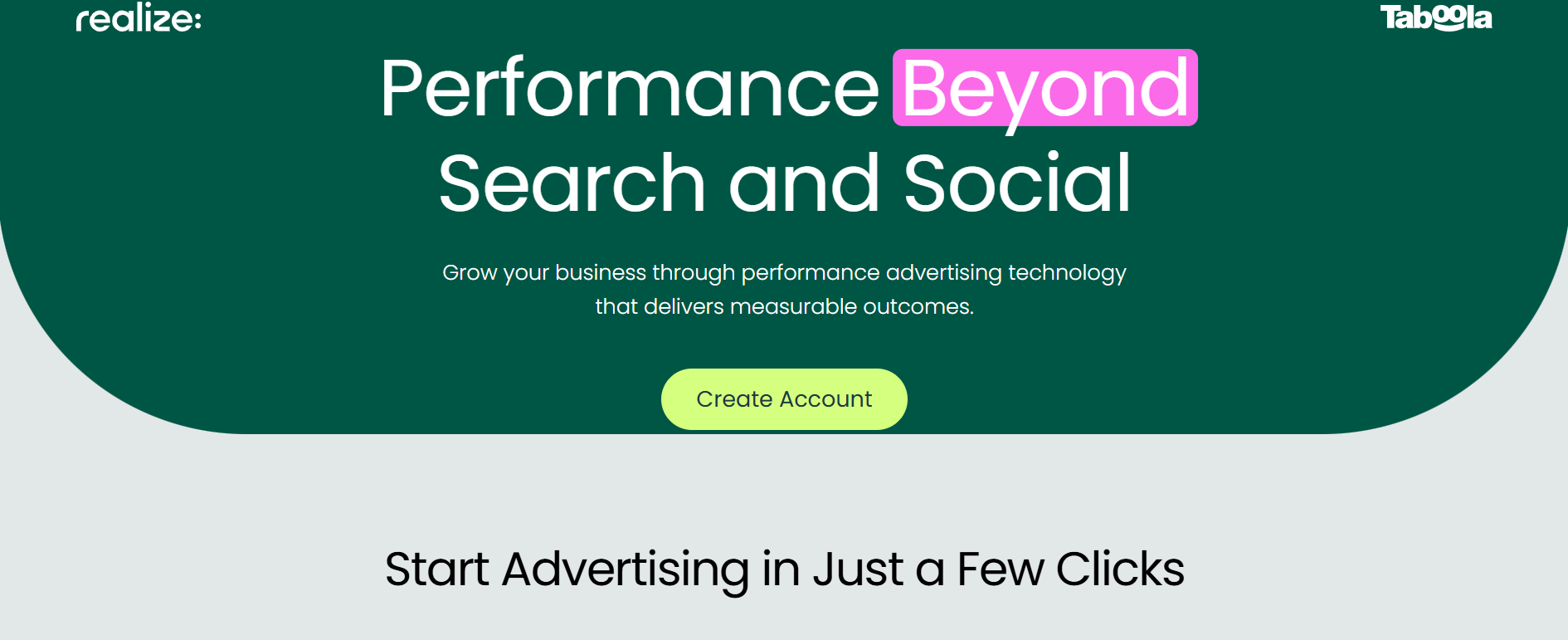
Unlike traditional display ads, Taboola Ads blend seamlessly with the content around them, making them less intrusive and more engaging for users.
Businesses use Taboola Ads to drive traffic, generate leads, increase brand awareness, and promote content.
Key Features of Taboola 🚀
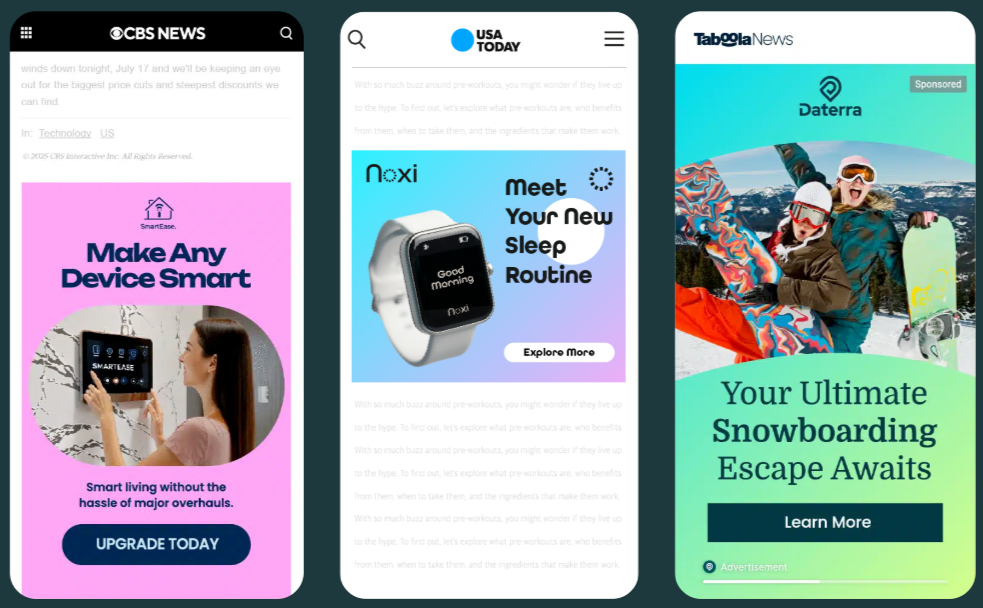
1. Native Advertising on Premium Sites
Taboola Ads appear as recommended content or sponsored stories on high-quality publisher sites, blending seamlessly with editorial content to increase engagement.
2. AI-Powered Targeting
The platform uses AI and first-party data to identify and reach audiences most likely to interact with your ads, improving relevance and ROI.
3. Performance-Focused Campaigns
Taboola provides real-time tracking, smart bidding, and optimization tools to maximize click-through rates, conversions, and return on ad spend (ROAS).
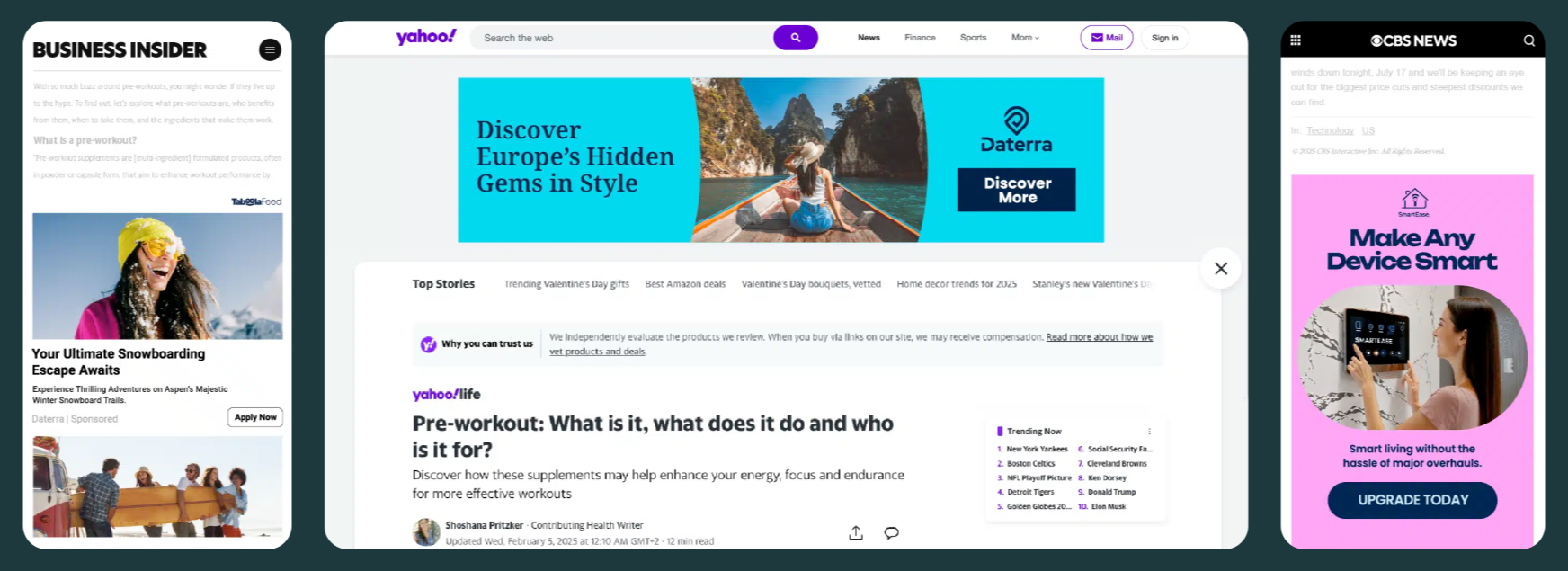
4. Customizable Ad Experiences
Advertisers can create custom creatives with asset tools and brand safety features, ensuring campaigns are both visually appealing and secure.
5. Easy Setup & Transparent Management
Taboola offers simple campaign setup, intuitive dashboards, and performance analytics, allowing advertisers to manage campaigns efficiently without advanced technical expertise.
Taboola Cost Factors & Performance Metrics 💰
Taboola Ads use a combination of CPC (Cost-Per-Click), CPM (Cost-Per-Thousand Impressions), and CPCV (Cost-Per-Complete View for video) pricing models, giving advertisers flexibility based on campaign goals.
- CPC (Cost-Per-Click): You pay only when someone clicks on your ad, with typical costs ranging from $0.30 (mobile) to $0.60 (desktop).
- CPM (Cost-Per-Mille): You pay for every 1,000 ad impressions, averaging $1 to $3, ideal for brand awareness campaigns.
- CPCV (Cost-Per-Complete View): For video ads, you pay only when users watch the entire video, often lowering the effective cost per engagement.
- Bidding & Auction: Higher bids improve your chances of winning premium placements, but costs depend on competition, content quality, and audience targeting.
- Minimum Budget Requirements: Monthly budgets often start at $500-$1,000, with recommended daily minimums around $50 to ensure meaningful campaign performance.
Pros & Cons of Taboola 🎯
| Pros ✅ | Cons ❌ |
|---|---|
| Native advertising blends seamlessly with content, increasing engagement and click-through rates | Higher minimum monthly budgets ($500-$1000) may be costly for small businesses |
| AI-powered targeting ensures ads reach high-intent audiences for better ROI | Cost can vary significantly depending on content quality and competition |
| Multiple pricing options (CPC, CPM, CPCV) allow flexibility based on campaign goals | Performance depends heavily on high-quality, engaging content |
| Real-time tracking and smart bidding optimize campaigns automatically | Smaller audience compared to search engines like Google |
| Supports video and content campaigns with CPCV to improve engagement efficiency | — |
| Easy setup and transparent campaign management for advertisers of all levels | — |
| Access to premium publisher sites to reach high-quality audiences beyond social and search | — |
#6. Amazon Ads
Amazon Ads are advertising solutions offered by Amazon to help businesses promote products, increase sales, and drive brand awareness directly on the Amazon platform and its partner sites.
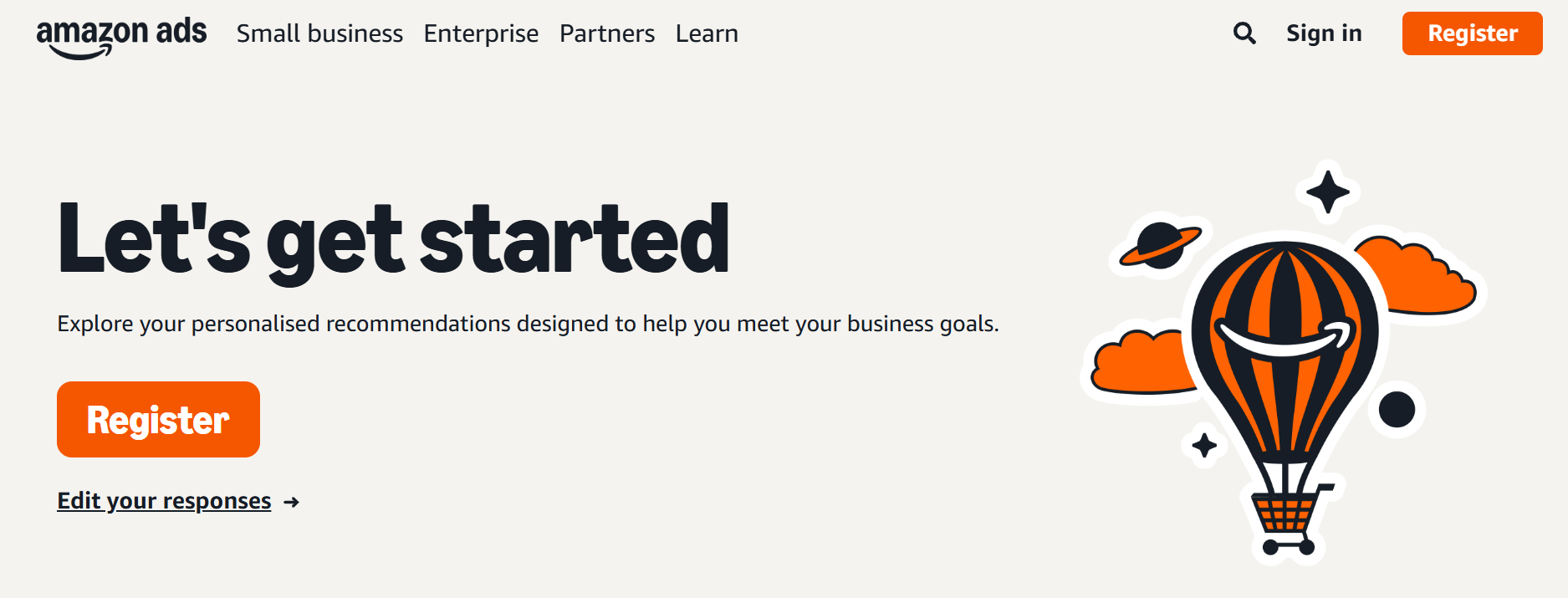
These ads appear in search results, product detail pages, and on Amazon’s display network, allowing brands to reach shoppers actively looking to buy.
Key Features of Amazon Ads ⭐
1. Multiple Ad Formats
Amazon Ads offers a variety of formats, including Sponsored Products, Sponsored Brands, Sponsored Display, video, audio, and streaming TV ads, allowing businesses to target shoppers at different stages of the buying journey.
2. Targeted Audience Reach
With advanced audience insights and first-party shopper data, Amazon Ads enables precise targeting based on demographics, shopping behavior, and purchase intent.
3. AI-Powered Tools
Amazon provides AI-driven tools, like the Video Generator for Sponsored Brands, to streamline ad creation, optimize campaigns, and improve engagement.
4. Omnichannel Analytics & Reporting
Advertisers can track campaign performance using Amazon Attribution, Brand Lift, Marketing Stream, and DSP metrics, enabling data-driven decisions and ROI measurement.
5. Flexible for All Businesses
Whether you sell on Amazon or not, businesses can use Sponsored Display and streaming TV ads to build brand awareness, drive traffic, and increase conversions across Amazon’s ecosystem and partner sites.
Amazon Ads Cost Factors & Performance Metrics 💰
Amazon Ads mainly use CPC (Cost-Per-Click), where you pay only when someone clicks your ad. Costs vary based on bids, competition, and product demand.

- Sponsored Products: Pay per click for product ads in search results.
- Sponsored Brands & Display: CPC for clicks or vCPM for impressions, ideal for awareness and reach.
- Video & Audio Ads: Custom pricing with higher minimum spends for premium campaigns.
- Amazon Posts & Live: Free for organic promotion.
Cost Influencers: Higher competition, broader keyword matches, and lower-quality listings can increase costs, while optimized products and strong listings improve ROI. Metrics like ACoS help track profitability.
Pros & Cons of Amazon Ads 🚀
| Pros ✅ | Cons ❌ |
|---|---|
| Access to high-intent shoppers actively searching to buy, increasing conversion potential | Can be costly for competitive keywords and high-demand products |
| Multiple ad formats (Sponsored Products, Brands, Display, Video, Audio) for varied campaign goals | Advanced campaigns like video/audio require high minimum budgets |
| Data-driven targeting and analytics help optimize campaigns and ROI | Only reaches Amazon ecosystem and partner sites, not wider web like Google or social ads |
| Flexible CPC/vCPM pricing allows advertisers to choose cost models per campaign goal | — |
| Supports both paid and free promotion (Amazon Posts & Live) for engagement and visibility | — |
Which Is Best Google Ads Alternative? 🥇
When it comes to choosing the best Google Ads alternative, it really depends on your business goals, audience, and ad strategy. However, if we crown a winner, Meta Ads (Facebook & Instagram) clearly takes the top spot. 🎯

Why Meta Ads Wins:
- Unmatched Audience Targeting: With billions of users across Facebook and Instagram, you can target by demographics, interests, behavior, and even custom audiences.
- Versatile Ad Formats: From image and video ads to carousel and story ads, Meta Ads give businesses creative freedom to engage users at multiple touchpoints.
- Cost-Effective & Scalable: Flexible budgeting and bidding options allow small businesses and large enterprises to run campaigns efficiently.
- Social Engagement Boost: Beyond conversions, Meta Ads help build brand loyalty, awareness, and community engagement.
- Powerful Analytics & Optimization: Insights from Ads Manager let you track, analyze, and optimize campaigns in real-time, ensuring maximum ROI.
Other alternatives like LinkedIn, Pinterest, Microsoft Ads, Taboola, and Amazon have their strengths, but for overall reach, targeting precision, engagement, and versatility, Meta Ads remains the best choice for most advertisers.
Conclusion 🔥
Choosing the right alternative to Google Ads can transform your marketing results. Each platform Meta, Pinterest, LinkedIn, Microsoft Ads, Taboola, and Amazon has unique strengths for different goals, audiences, and budgets.
However, Meta Ads stands out as the top choice for most businesses due to its massive audience reach, precise targeting, versatile ad formats, and robust analytics.
Whether you want to boost brand awareness, drive sales, or engage your audience, Meta Ads provides the tools and flexibility to scale your campaigns effectively.
Remember, the best approach often combines multiple platforms tailored to your business needs. Start with Meta Ads for broad reach and engagement, then explore other channels like LinkedIn for B2B, Pinterest for visual inspiration, or Amazon for high-intent e-commerce shoppers to maximize your overall ROI.
🔥 Bottom line: With the right strategy, these Google Ads alternatives can help your brand reach the right people at the right time and grow your business smarter and faster.
Quick Links:
- Outbrain Review: Why This Native Ad Network Leads On Top?
- Taboola Review: Is It Profitable For Advertiser & Publisher?
FAQs ✅
Yes! Running ads on Meta, LinkedIn, Pinterest, or Microsoft Ads at the same time can help you reach different audiences and optimize overall ROI.
Most platforms, including Meta, LinkedIn, and Taboola, offer retargeting to reconnect with users who previously engaged with your brand.
Absolutely. Platforms like Meta, Pinterest, and Microsoft Ads allow small budgets and flexible bidding, making them accessible for startups and SMBs.
Yes. Tools like Meta Pixel, LinkedIn Insight Tag, and Amazon Attribution help you track user actions, sales, and engagement for better optimization.
