
5 Best Cloud Hosting Providers 2026: Which Is Better?
Are you struggling to choose the best cloud hosting provider for your website, app, or business? 🚨
With so many options available, it can be overwhelming to find a platform that offers reliability, scalability, and excellent performance all while staying within your budget. 💡

💥 AWS Cloud Hosting Coupon: Get Up to $200 in Credits!
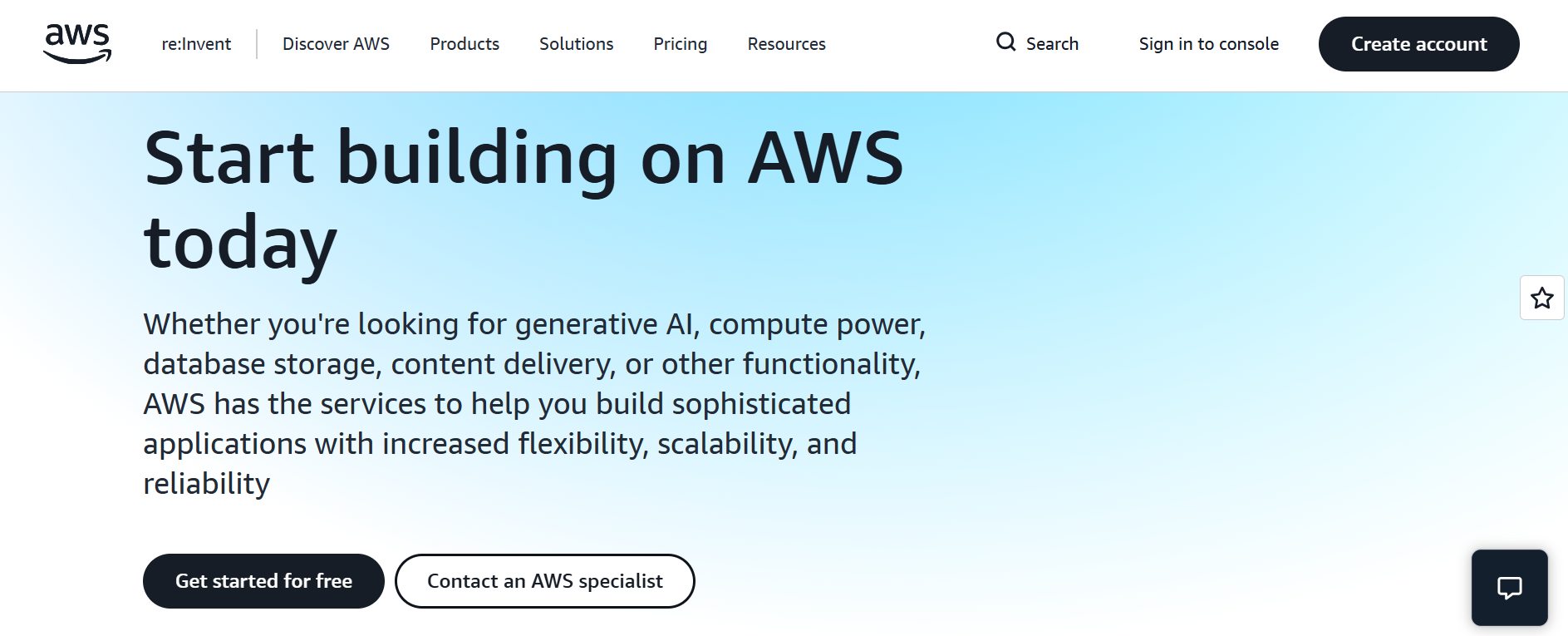
New customers can now enjoy up to $200 in AWS credits to kickstart their cloud hosting journey. Deploy websites, apps, or services on scalable, secure AWS infrastructure and pay only for what you use. Limited-time offer!
Cloud hosting has become essential for businesses of all sizes, offering flexible resources, high uptime, and global accessibility. Whether you’re a startup, developer, or enterprise, the right cloud provider can make a huge difference in speed, security, and overall efficiency.

In this article, we’ll explore the Top 5 Cloud Hosting Providers of 2026, breaking down their key features, pricing, and ideal use cases, so you can make an informed choice and power your digital operations with confidence.

💥 Oracle Cloud Hosting Coupon: Start with US$300 Cloud Credit!
Get US$300 in cloud credits. Test applications, deploy workloads, and experience the full power of scalable, secure cloud solutions alongside with Free Services in your Free Tier account.
1. AWS Cloud Hosting
Key Features of AWS🌟
- Scalable Compute Resources: AWS offers Elastic Compute Cloud (EC2), allowing you to scale server capacity up or down based on demand. This flexibility ensures your applications run smoothly during traffic spikes without overspending on unused resources.
- Secure and Compliant Infrastructure: AWS provides advanced security features, including encryption, firewalls, and identity management. It also meets major compliance standards like GDPR, HIPAA, and PCI DSS, making it ideal for businesses handling sensitive data.
- Global Network of Data Centers: With multiple availability zones across the globe, AWS ensures high uptime and low-latency performance. You can deploy applications closer to your users, enhancing speed and reliability for a global audience.
- Extensive Managed Services: AWS offers a wide range of managed services including databases, machine learning, analytics, and storage. These services reduce infrastructure management overhead, allowing developers to focus on building applications.
- Pay-as-You-Go Pricing: AWS uses a flexible pricing model where you only pay for the resources you actually use. This approach is cost-effective for startups and enterprises alike, helping manage budgets while scaling efficiently.
Pricing Plans of AWS💰
| Service | Description | Pricing |
|---|---|---|
| Amazon EC2 | Provides scalable virtual servers for running applications without buying physical hardware. Users can deploy servers on demand. | $0.09 per GB (first 10 TB/month) |
| Amazon S3 | Secure and scalable cloud storage for any type of data. Offers multiple storage tiers and easy management tools for businesses. | $0.023 per GB (first 50 TB/month) |
| Amazon Aurora | A high-performance database compatible with MySQL and PostgreSQL. Automatically handles backups, scaling, and fault recovery. | $0.10 per GB/month |
| Amazon DynamoDB | Managed NoSQL database that delivers fast performance with virtually unlimited throughput. Perfect for real-time applications. | $0.02 per 100,000 read requests |
| Amazon RDS | Simplifies database management by automating setup, maintenance, and backups. Supports multiple database engines for flexibility. | $0.016 per hour (db.t4g.micro) |
| Amazon CloudFront | Global CDN for fast delivery of websites, videos, and apps. Reduces latency and ensures secure, high-quality content streaming. | $0.085 per TB (first 10 TB) |
| Amazon EBS | Block-level storage for EC2 instances. Ideal for databases and workloads that need high performance and durability. | $0.08 per GB/month |
| Amazon VPC | Allows creation of isolated virtual networks in the cloud. Full control over subnets, routing, and security settings. | Free (pay for optional features) |
Top Companies using Amazon Web Services (AWS)
Pros & Cons of AWS🛠️
| Pros | Cons |
|---|---|
| Highly scalable and flexible infrastructure for all business sizes | Pricing can be complex for beginners and small businesses |
| Wide range of services including computing, storage, databases, and machine learning | Learning curve is steep due to vast service options |
| Strong global network with data centers worldwide for low latency | Technical support can be expensive for premium plans |
| Highly secure with compliance certifications like SOC, PCI DSS, and ISO | Overwhelming options may confuse non-technical users |
| Robust ecosystem with third-party integrations and community support | Costs can increase rapidly with high resource usage |
2. Microsoft Azure
Key Features of Azure🌟
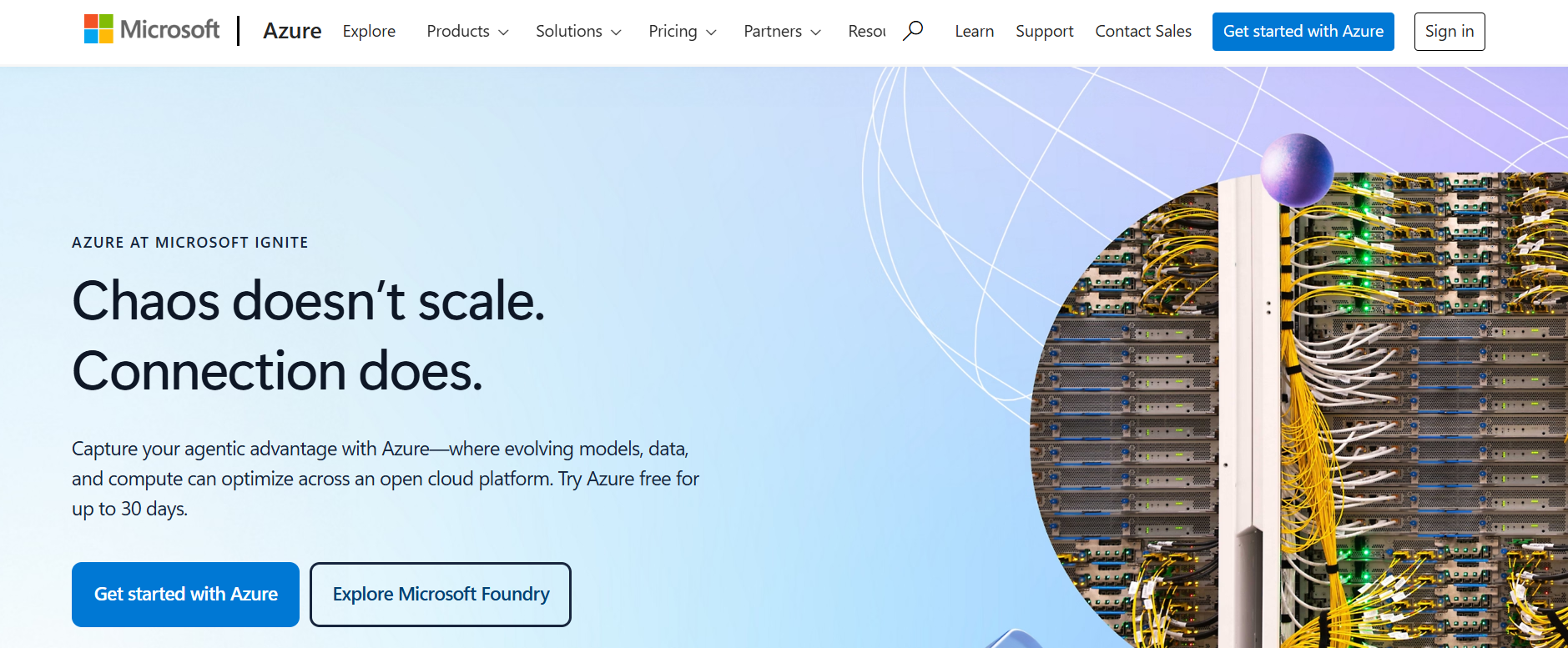
- Virtual Machines (VMs): Azure Virtual Machines provide on-demand, scalable computing resources. Users can deploy Windows or Linux servers, customize configurations, and run applications without investing in physical hardware.
- Azure Blob Storage: Azure Blob Storage is a cloud-based object storage solution for unstructured data. It offers high durability, easy scalability, and secure storage for documents, images, videos, and backups.
- Azure SQL Database: Azure SQL Database is a fully managed relational database service. It automates maintenance, backups, and scaling while supporting high availability and robust security features.
- Azure Kubernetes Service (AKS): AKS simplifies containerized application deployment and management. It provides automated scaling, orchestration, and updates, enabling developers to focus on building apps efficiently.
- Azure Active Directory (AD): Azure AD is an identity and access management service. It secures user authentication, supports single sign-on, and integrates with thousands of SaaS applications for enterprise-grade security.
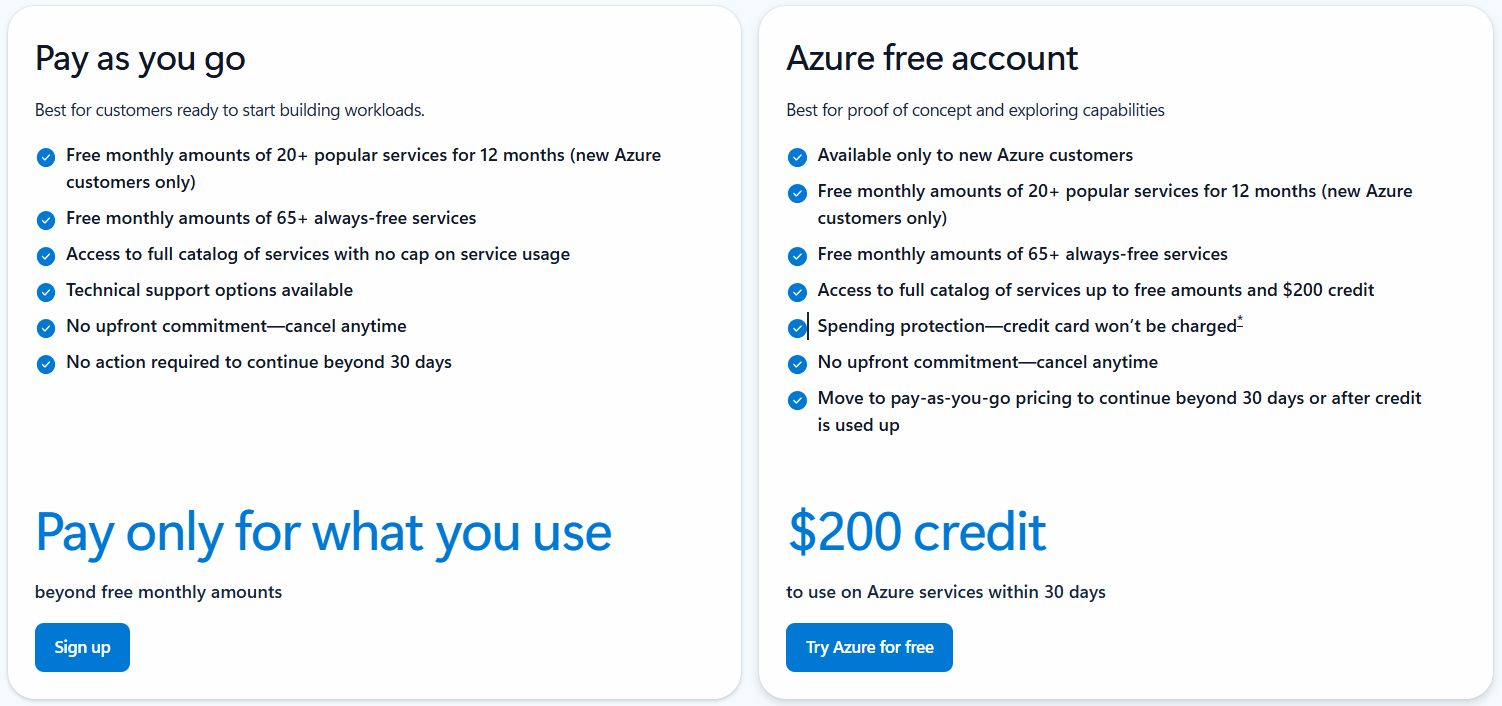
Pricing Plans of Azure💰
Top Companies using Microsoft Azure 💰
Pros & Cons of Azure🛠️
| Pros | Cons |
|---|---|
| Strong integration with Microsoft products like Office 365 and Windows Server | Pricing can be confusing with multiple service tiers and options |
| Global network of data centers ensuring high availability and low latency | Learning curve is steep for users new to cloud computing |
| Comprehensive suite of services including AI, analytics, and IoT | Support costs for advanced plans can be high |
| Enterprise-grade security and compliance certifications (ISO, SOC, GDPR, HIPAA) | Complex service catalog may overwhelm small businesses |
| Flexible pricing models with pay-as-you-go and reserved instances | |
| Strong hybrid cloud capabilities allowing seamless on-premises integration |
3. Oracle Cloud Hosting
Key Features of Oracle🌟
- High Performance Compute and Storage
Oracle Cloud offers powerful compute instances with scalable block and object storage, optimized for high-performance workloads and enterprise applications. - Autonomous Database Services
Provides self-driving, self-securing, and self-repairing database solutions, reducing administrative overhead while enhancing security and performance. - Enterprise Security and Compliance
Offers advanced security features including identity and access management, encryption, and compliance with standards like SOC, ISO, and GDPR. - Integrated Cloud Applications
Seamlessly integrates with Oracle SaaS solutions like ERP, HCM, and CX, allowing businesses to unify their cloud operations efficiently. - Global Network and Availability
Oracle Cloud has a growing global network of data centers, ensuring high availability, disaster recovery, and low-latency access for worldwide operations.
Pricing Plans of Oracle💰
| Service / Resource | Oracle Price |
|---|---|
| Virtual machine instance (AMD, 4 vCPUs, 16 GB RAM, monthly)* | $54 |
| Kubernetes cluster (64 vCPUs, 512 GB RAM, monthly) | $3,507 |
| Block storage (1×1 TB, 15K IOPS, 125 MB/sec, monthly) | $43 |
| Public bandwidth transferred out (50 TB, monthly) | $340 |
Top Companies using Oracle Cloud
Pros & Cons of Oracle🛠️
| Pros | Cons |
|---|---|
| High-performance compute and storage infrastructure optimized for enterprise workloads | Pricing can be higher for small businesses or startups |
| Autonomous database services reduce administrative overhead and improve efficiency | Learning curve is steep for new users due to advanced features |
| Strong enterprise security and compliance with SOC, ISO, GDPR, and more | Limited third-party ecosystem compared to AWS or Azure |
| Seamless integration with Oracle SaaS applications (ERP, HCM, CX) | Documentation and support resources can sometimes be less extensive |
| Global network of data centers ensures high availability and low-latency access | |
| Advanced analytics, AI, and machine learning tools built into the cloud ecosystem |
4. Alibaba Cloud
Key Features of Alibaba🌟
- Elastic Compute and Scalable Infrastructure
Alibaba Cloud offers a wide range of ECS instances and scalable storage options to handle workloads of any size, from startups to large enterprises. - Comprehensive Database Services
Supports relational, NoSQL, and in-memory databases with high availability, automated backup, and global distribution for enterprise applications. - Advanced Security and Compliance
Provides multi-layered security including anti-DDoS, WAF, data encryption, and compliance with international standards such as ISO and GDPR. - Big Data and AI Solutions
Integrated AI and analytics services like MaxCompute, DataWorks, and PAI allow businesses to process large-scale data efficiently and implement machine learning workflows. - Global Network and Cloud Regions
Alibaba Cloud operates a growing network of data centers worldwide, providing low-latency connectivity and redundancy for mission-critical workloads.
Pricing Plans of Alibaba💰
| Pricing model | Description |
|---|---|
| Pay‑As‑You‑Go (PAYG) | This pricing model lets you pay only for the active compute time by the second. |
| Subscription | Unlike PAYG, the subscription model requires you to pay upfront for the cloud resource. |
| Savings Plans | Best suited for companies seeking long-term commitments and stability. |
| Reserved Instances | Reserved Instances let you prepay for ECS usage for 1 or 3 years. |
Top Companies using Alibaba Cloud
Pros & Cons of Alibaba🛠️
| Pros | Cons |
|---|---|
| Wide range of cloud services including compute, storage, AI, and big data | Documentation and support resources are not as extensive as AWS or Azure |
| Highly scalable and flexible infrastructure suitable for enterprises | Learning curve can be steep for beginners and non-technical users |
| Strong presence in Asia-Pacific region with multiple data centers | Fewer third-party integrations compared to AWS or Azure |
| Advanced security and compliance features including anti-DDoS and WAF | |
| Integrated AI and machine learning services for data-driven applications | |
| Cost-effective solutions for long-term commitments via subscription and reserved instances |
5. IBM Cloud (Kyndryl)
Key Features of IBM🌟
- Hybrid and Multi-Cloud Flexibility
IBM Cloud supports hybrid deployments, allowing seamless integration with on-premises, private, and public cloud environments. Kyndryl provides managed services to optimize these complex infrastructures. - High-Performance Compute and Storage
Offers a variety of compute instances, bare metal servers, and high-speed storage options to handle enterprise workloads efficiently. - AI and Data Analytics Capabilities
Integrates Watson AI, analytics, and machine learning services to enable data-driven decision-making and business insights. - Security and Compliance
IBM Cloud provides enterprise-grade security including encryption, identity and access management, and compliance with GDPR, SOC, and ISO standards. - Managed Services and Consulting via Kyndryl
Kyndryl specializes in IT infrastructure management, helping enterprises migrate, operate, and optimize their IBM Cloud deployments for performance and reliability.
Pricing Plans of IBM💰
| Offer / Plan | Description |
|---|---|
| Cloud Object Storage One-Rate Plan | Lock in predictable storage rates at USD 12/TB/month for storage, retrieval, API calls, and egress. Ideal for AI workloads and content-heavy applications. |
| USD 2,000 Off IBM Power Virtual Server | Get USD 2,000 off Power Virtual Server and preconfigured resources using code POWERVS2000. |
| GPU Profiles on NVIDIA and Intel Accelerators | Enjoy 50% off GPU profiles on NVIDIA L40s, A100 PCIe cards, and Intel Gaudi 3 using code GPU4YOU. Promotion valid for new clients for 6 months. |
| Virtual Server for VPC Profiles | Save up to 60% with code BUYVPC for new clients. Promotion valid for 6–12 months depending on plan. |
| Intel Xeon 2174G Bare Metal Servers | Save up to 83% on Intel Xeon 2174G Bare Metal servers with code SCALENOW1. Ideal for high-performance workloads. |
| Dual Processor Bare Metal Servers | Save up to 69% on dual processor servers including Intel Xeon 4210, 5218, 6248, 6434, 8260, 8474 with code SCALENOW2. |
Top Companies using IBM Cloud
Pros & Cons of IBM🛠️
| Pros | Cons |
|---|---|
| Strong hybrid and multi-cloud capabilities, allowing integration with on-premises and other cloud environments | Pricing can be complex and difficult for small businesses to predict |
| Enterprise-grade security and compliance, including SOC, ISO, GDPR, and encryption features | Some advanced features require steep learning curve and specialized expertise |
| Integrated AI, machine learning, and data analytics tools via Watson | Limited third-party marketplace compared to AWS or Azure |
| High-performance compute options, including bare metal and GPU-accelerated instances | |
| Kyndryl managed services provide enterprise-grade infrastructure management and consulting | |
| Strong support for regulated industries and mission-critical workloads |
How to Choose the Right Cloud Provider? 📌
Choosing the right cloud provider starts with evaluating your business needs and workloads. Consider whether you need flexibility, scalability, or specialized services like AI or analytics.

- Performance and reliability are critical factors. Look at uptime guarantees, global data center presence, and latency to ensure consistent service for your users.
- Pricing models can vary widely between providers. Compare pay-as-you-go, subscription plans, and reserved instances to find the most cost-effective solution for your organization.
- Security and compliance are essential, especially for regulated industries. Ensure the provider offers strong encryption, access controls, and certifications like SOC, ISO, or GDPR.
- Finally, consider support, ecosystem, and integrations. A provider with robust documentation, third-party integrations, and responsive support can save time and reduce operational risks.
Conclusion / Recommendation 📢
Choosing the right cloud provider depends on aligning your business goals with the provider’s strengths. Consider factors such as performance, scalability, security, and pricing to make an informed decision.

Each major cloud provider offers unique advantages, from AWS’s extensive services and global network to IBM Cloud’s hybrid capabilities and Kyndryl managed services. Understanding these differentiators is key.
For businesses seeking cost-efficiency, pay-as-you-go or reserved plans may be ideal, while enterprises with mission-critical workloads should prioritize reliability and compliance.
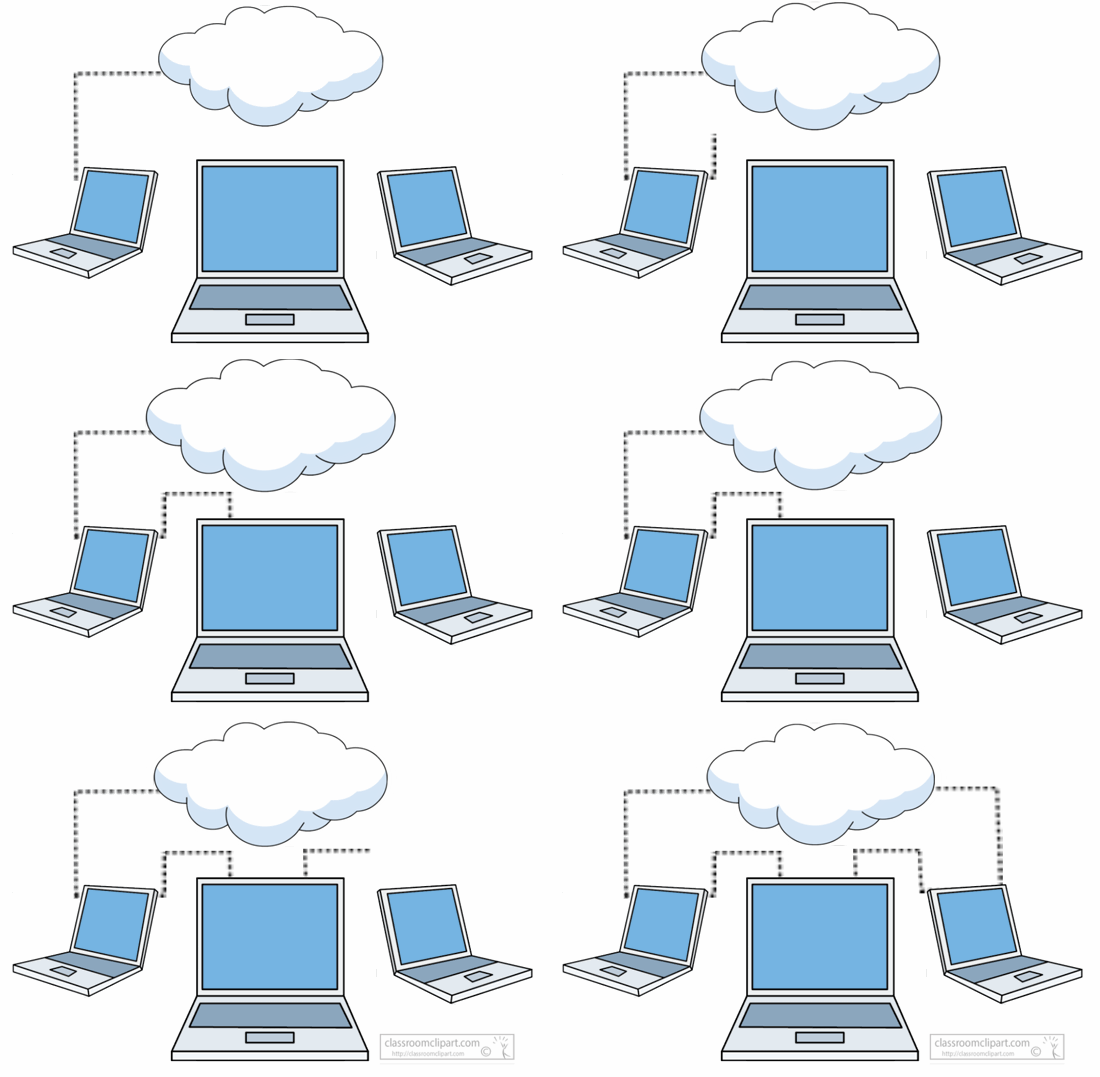
Integration and support capabilities are equally important, as providers with strong ecosystems and responsive customer service simplify cloud management and reduce operational risks.
Ultimately, the best cloud provider is one that meets your current needs while allowing flexibility for future growth. Evaluating features, pricing, and security ensures a solution that supports long-term success.
Quick Links:
- CloudWays Review: Is This Cloud Management Platform Worthy?
- Clouding Review: Is This Cloud Platform Worth it?
FAQs 🔎
Cloud hosting delivers computing resources like servers, storage, and databases over the internet, offering scalability and flexibility for businesses.
Providers like AWS, Azure, and Alibaba Cloud offer pay-as-you-go plans ideal for small businesses with budget-friendly and scalable options.
Leading providers offer enterprise-grade security with encryption, access controls, and compliance certifications such as SOC, ISO, and GDPR.
Yes, most providers support migration tools and multi-cloud strategies, but planning ahead helps minimize downtime and compatibility issues.
Consider performance, pricing, features, security, support, and compliance to select a provider that fits your current needs and future growth.
